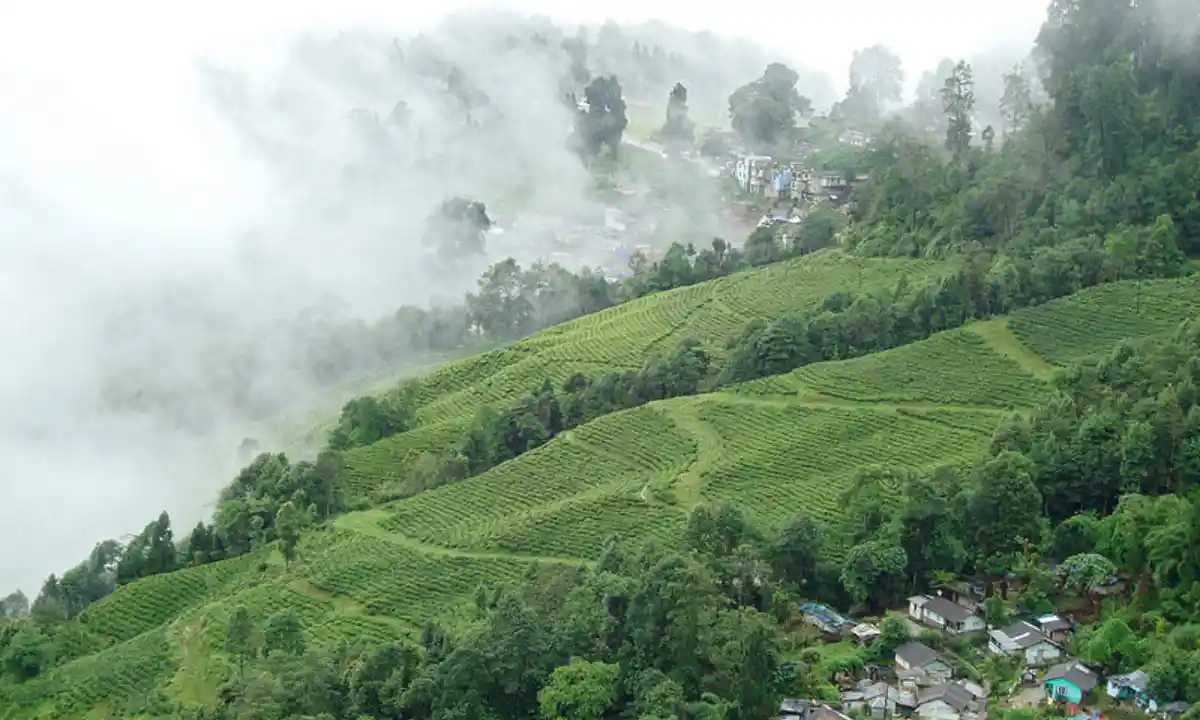
Darjeeling, known for its lush tea gardens, colonial charm, and stunning views of the Himalayas, is a destination that attracts visitors year-round. However, for many, the allure of snowfall in Darjeeling is a key reason to visit the hill station during winter. Snowfall in Darjeeling creates a magical atmosphere, transforming the town into a winter wonderland with white-capped hills, foggy mornings, and a crisp chill in the air. But when is the best time to visit Darjeeling to witness this enchanting snowfall? Let’s explore the ideal months, the experiences, and what you can expect when you visit Darjeeling during the snowy season.
Understanding Darjeeling’s Winter Climate
Darjeeling, situated at an altitude of about 2,134 meters (7,000 feet), has a temperate climate that varies from cool to cold, especially during the winter months. The winter season in Darjeeling typically spans from December to February, with January being the coldest month. During this period, temperatures can dip significantly, especially in the higher altitudes. The lower regions of the town may experience light snowfall, while higher elevations, such as Tiger Hill and Sandakphu, are more likely to see heavier snow.
It is important to note that snowfall in Darjeeling is not guaranteed every year, as it is dependent on the weather patterns, especially the northeast monsoon and the winter chill. However, winter in Darjeeling does bring the possibility of snow, and if you’re hoping to witness this spectacle, certain months are more favorable than others.
The Best Months for Snowfall in Darjeeling
December: Early Snowfall and Serene Beauty
December marks the beginning of winter in Darjeeling, and while the snowfall is usually light and sporadic at first, it can still be an excellent time to visit. During this month, the temperatures start to drop, and the weather becomes crisp, creating a perfect atmosphere for those seeking the chill of winter. The chances of snowfall in December are relatively higher compared to the previous months, although it may not be as heavy or consistent as in January.
In December, you can expect to see the hills begin to get dusted with snow, especially in the higher altitudes. The town itself may not experience heavy snowfall, but the snowcapped peaks of the Himalayas and the misty surroundings provide an unforgettable sight. The cold temperatures make it a great time to explore Darjeeling’s colonial-era attractions like the Peace Pagoda, the Batasia Loop, and the Darjeeling Himalayan Railway, without the usual summer crowds.
January: Peak Winter and Maximum Snowfall
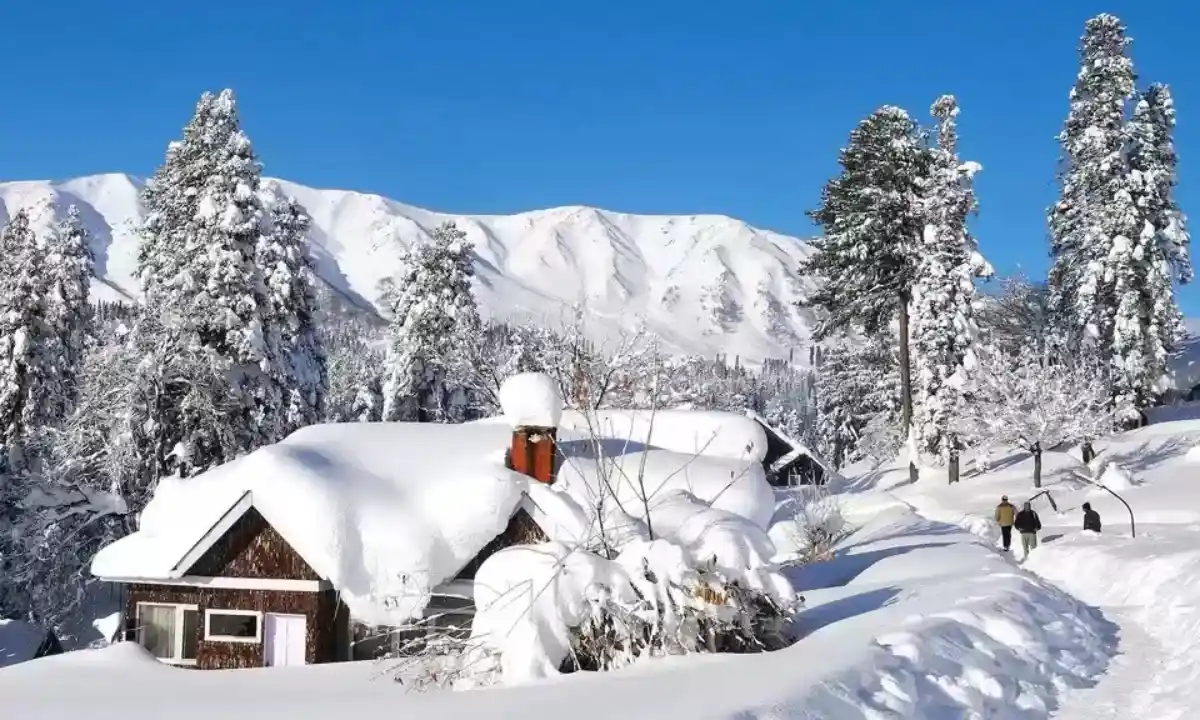
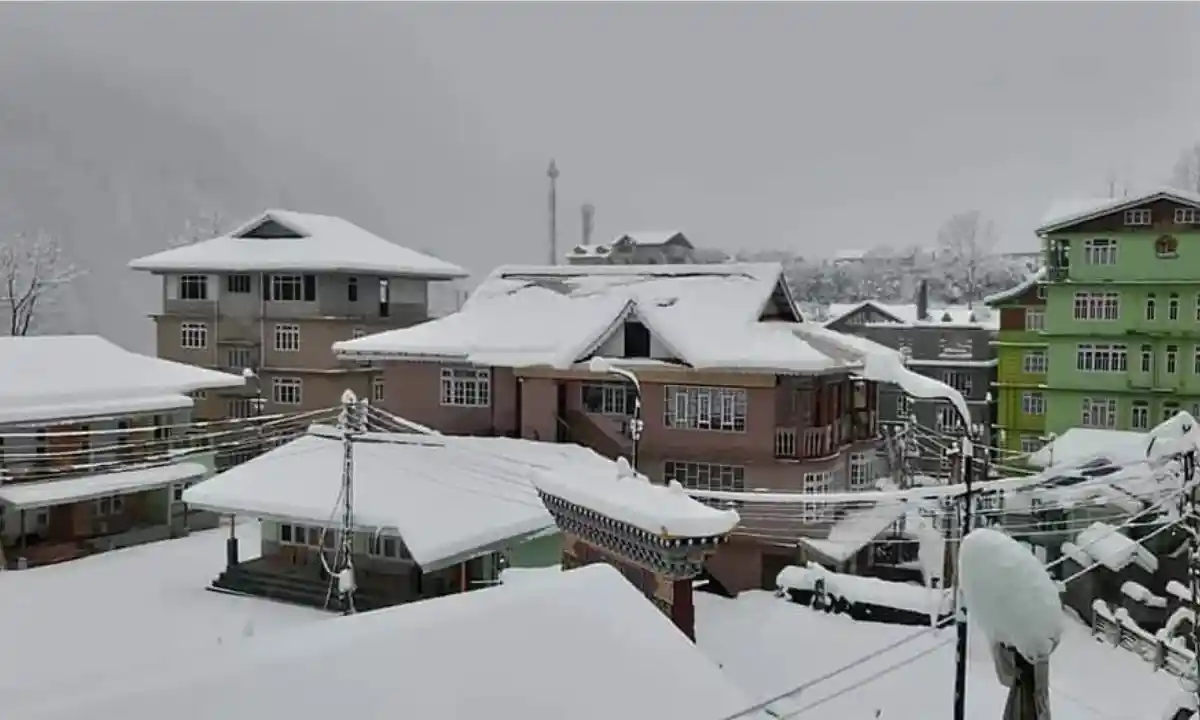
January is the coldest month in Darjeeling, and it is also the most reliable month for snowfall. During this period, the weather is bitterly cold, with temperatures dropping well below 5°C, and at times, even lower. The chances of snow in Darjeeling are highest in January, making it the prime month for snow lovers. If you’re hoping to see Darjeeling covered in a blanket of snow, January is your best bet.
The snow in January can be heavy, particularly in higher altitudes like Tiger Hill, Sandakphu, and other surrounding peaks. The town of Darjeeling itself also experiences intermittent snowfall, creating a magical landscape. The streets, tea estates, and viewpoints are often covered in snow, offering picturesque views and opportunities for photography. The crisp winter air, combined with the majestic views of Kanchenjunga covered in snow, makes January an unforgettable experience for those who love winter.
While snowfall in Darjeeling during January may be irregular, it generally occurs in patches. It is important to note that roads leading to higher altitudes may be temporarily blocked due to snowfall, and it’s advisable to check the weather conditions before heading to areas like Tiger Hill or Sandakphu. Despite the cold, January’s snowfall offers a serene and peaceful experience, with fewer tourists, providing an intimate and quiet getaway.
February: Snowy Charm with Clear Skies
February is the tail-end of the winter season, and while snowfall is still possible, it begins to taper off towards the end of the month. However, the snow that does remain often lingers longer into February, particularly in higher altitudes. The town itself may experience sporadic snowfalls, but the main attraction during February is the lingering winter charm—clear skies, stunning mountain views, and serene landscapes.
By February, the temperatures start to rise slightly, making the weather more bearable for outdoor activities. If you visit Darjeeling during this month, you can expect to see the remnants of January’s snow, especially in higher regions. The town is less crowded than in the peak summer months, and you can explore the surrounding areas covered in snow, including local temples, tea estates, and the famous Himalayan Mountaineering Institute.
Since February is towards the end of the snowfall season, you might not experience fresh, heavy snowfalls, but the lingering snow and clear skies still provide a picturesque winter landscape, making it a great month for photography, sightseeing, and enjoying the winter charm of Darjeeling.
Why Visit Darjeeling for Snowfall?
Snow-Capped Mountain Views
One of the main reasons to visit Darjeeling during the snowfall season is the breathtaking views of the snow-covered Kanchenjunga mountain range. Darjeeling is one of the best places in India to view Kanchenjunga, and when the peaks are covered in snow, the sight is nothing short of mesmerizing. Whether you’re at Tiger Hill for the famous sunrise or exploring the tea gardens, the snowcapped peaks add an ethereal beauty to the landscape.
Winter Activities
Snowfall in Darjeeling opens up several exciting opportunities for winter activities, particularly for families and adventure enthusiasts. While the town itself is not known for skiing, the nearby areas like Sandakphu and other high-altitude spots may offer snow trekking opportunities. Additionally, you can enjoy a peaceful walk through the snow-covered streets, visit the famous Darjeeling Himalayan Railway (Toy Train), and indulge in hot, comforting local food like momos and thukpa.
Fewer Crowds
Winter in Darjeeling, particularly from December to February, sees fewer tourists than during the peak summer months, making it an ideal time for those seeking a more serene and peaceful experience. You can visit popular attractions like the Peace Pagoda, the Darjeeling Zoo, and the Mahakal Temple without the usual crowds. The quiet winter landscape, combined with the snowfall, creates a tranquil setting for relaxation and reflection.
Magical Atmosphere
There’s something uniquely magical about Darjeeling when it’s covered in snow. The misty mornings, the serene snowfall, and the crisp winter air create an atmosphere of peace and tranquility that’s hard to find elsewhere. If you enjoy the charm of winter, the sight of snowflakes gently falling over the town and the surrounding hills is an unforgettable experience.
Tips for Visiting Darjeeling During Snowfall
While Darjeeling’s winter charm is undeniable, visiting during the snowfall months requires some preparation. The roads, especially in higher regions, may become slippery, and temperatures can drop significantly, so it’s important to pack accordingly. Warm clothes, including thermal wear, woolen layers, gloves, and hats, are essential for staying comfortable.
It’s also wise to check the weather conditions regularly, especially if you plan to visit higher altitudes or go trekking in areas like Sandakphu. Some roads may be temporarily closed due to heavy snowfall or landslides, so it’s important to be flexible with your travel plans.
Conclusion: When to Visit Darjeeling for Snowfall
The best time to visit Darjeeling for snowfall is between December and February, with January being the peak month for heavy snow. During this time, the town is enveloped in winter’s charm, with clear skies, snow-covered peaks, and the opportunity to witness the town in its most tranquil form. Whether you’re looking for an adventure in the snow or simply seeking the peace and serenity that winter brings, Darjeeling’s snowfall is an experience that will leave you with lasting memories.
If you’re hoping to experience the magic of a snow-covered Darjeeling, planning your visit during the peak winter months of January and February offers the best chance of witnessing this enchanting phenomenon.