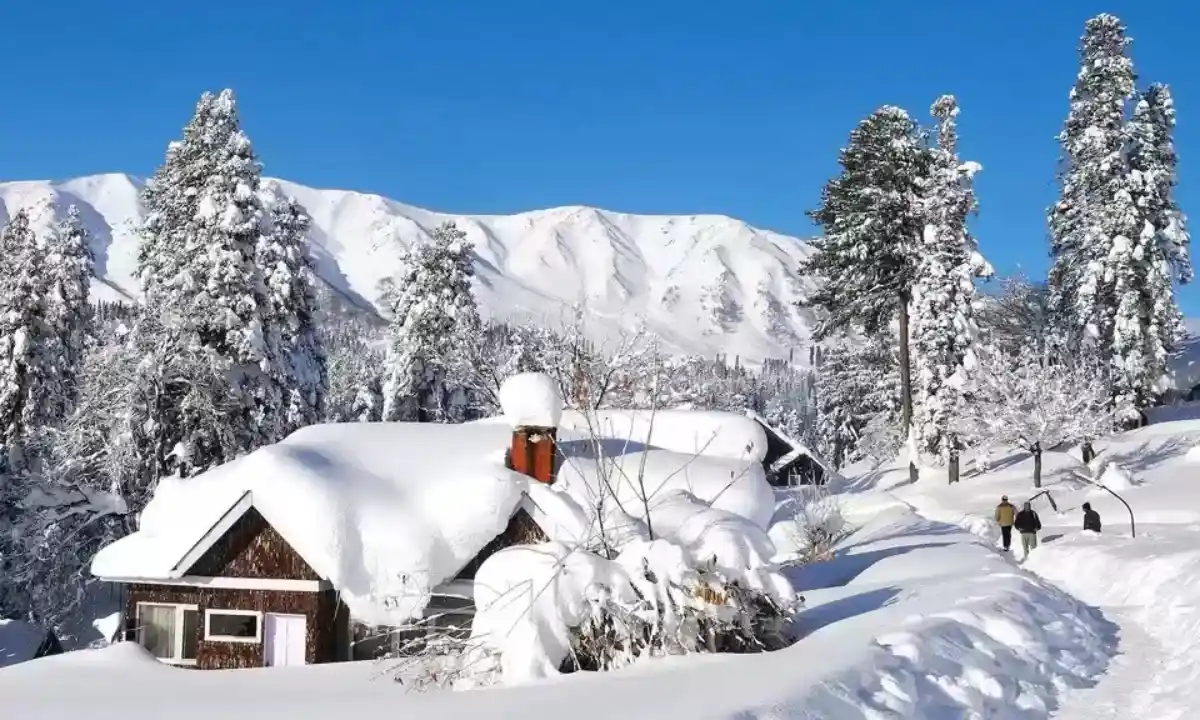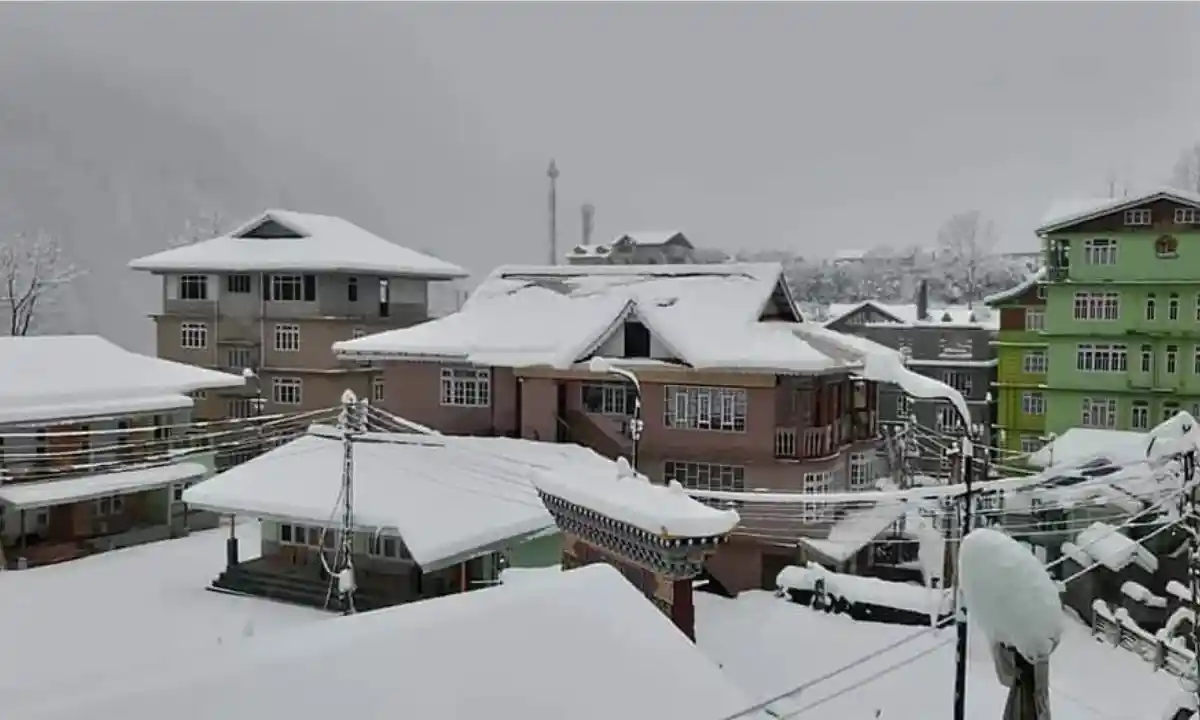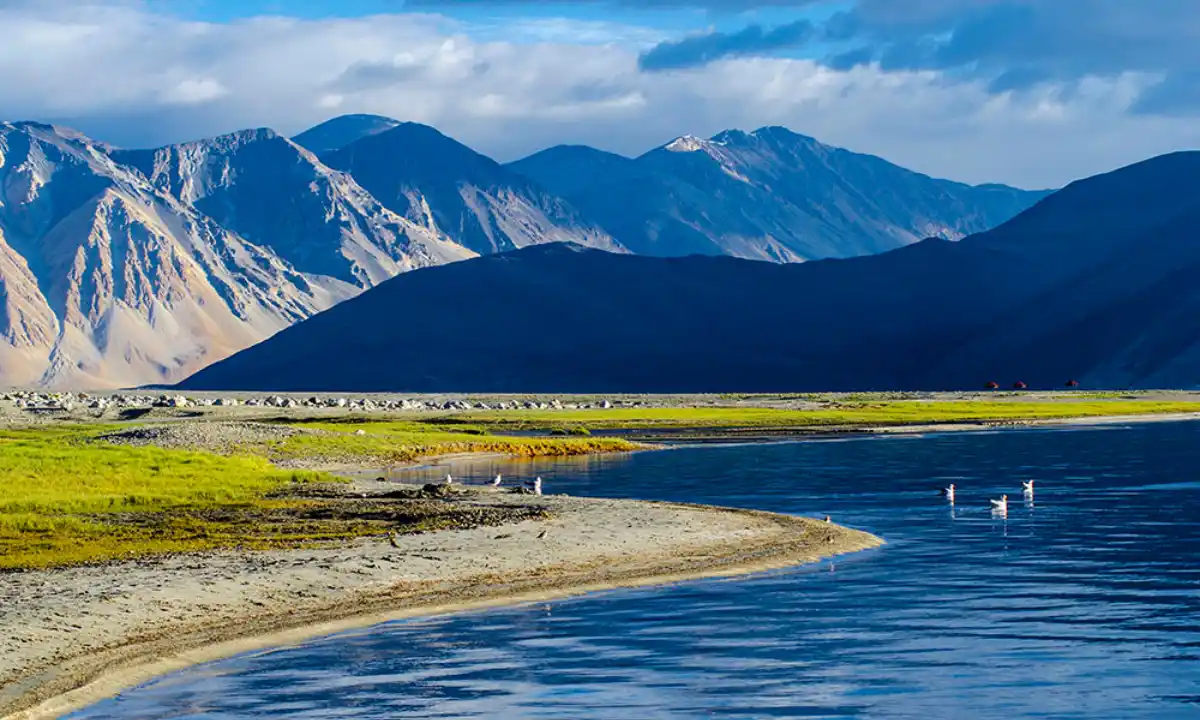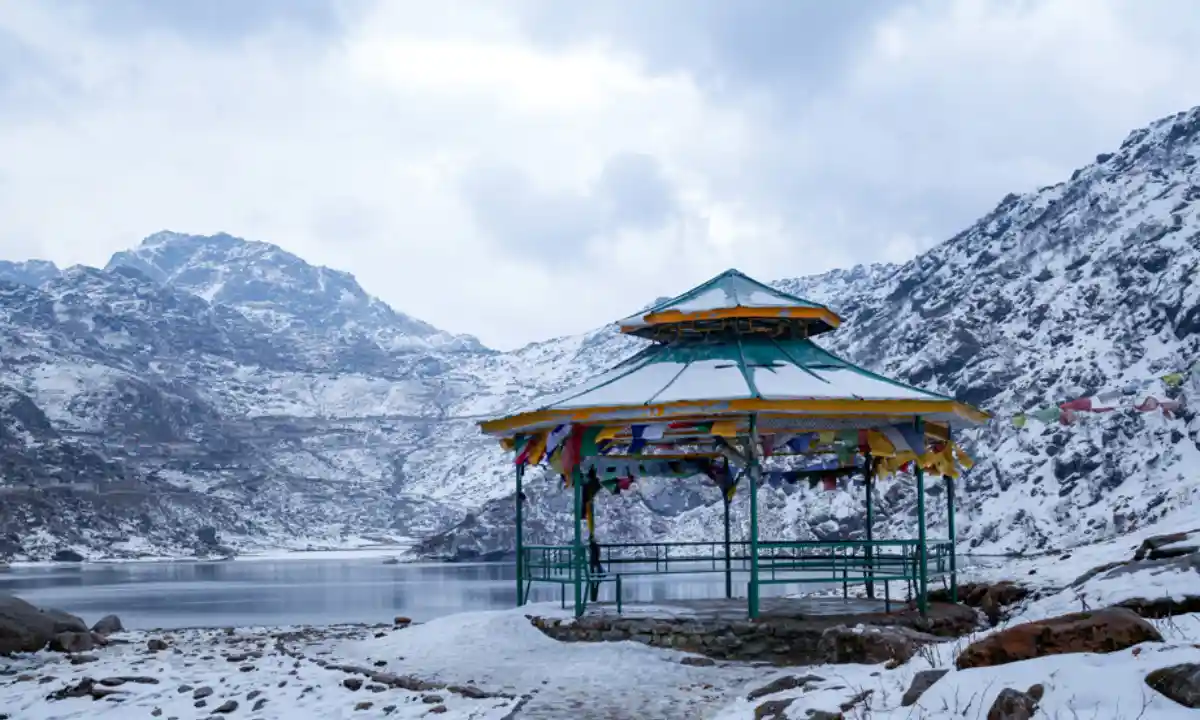
Sikkim, the enchanting state nestled in the Eastern Himalayas, is known for its breathtaking landscapes, tranquil monasteries, and charming towns. Among its many attractions, snowfall is a major highlight, drawing tourists from across the world. The allure of pristine white snow, the cool mountain air, and the beauty of snow-covered peaks make Sikkim an ideal destination for winter travelers. But when exactly is the best time to visit Sikkim for snowfall?
The Winter Season in Sikkim
Winter in Sikkim typically begins in November and lasts until early March. During this period, the temperatures drop significantly, especially in higher altitudes, and snowfall becomes frequent. The cold, crisp air combined with the serene white landscapes creates a magical atmosphere. However, snowfall is not guaranteed in every part of Sikkim during the entire winter season, and the best month for snowfall depends on various factors such as location, altitude, and weather conditions.
December – The Peak of Snowfall in Sikkim
December is often regarded as the peak month for experiencing snowfall in Sikkim. During this time, the state witnesses consistent snowfall, particularly in the higher altitudes such as Tsomgo Lake, Yumthang Valley, and Nathula Pass. These areas often remain blanketed with thick layers of snow, offering travelers an unforgettable winter experience. The weather in December is cold, with temperatures dropping well below freezing in many regions, ensuring that the snow remains intact throughout the month.
For those looking to enjoy snow sports, December is the perfect time to visit. The roads leading to popular tourist destinations such as Yumthang Valley and Zuluk become more challenging due to snow accumulation, which makes it a thrilling experience for adventure seekers. However, it is essential to check road conditions and weather forecasts before planning a trip, as heavy snow can occasionally block roads, particularly in the more remote areas.
January – The Coldest Month with More Snowfall
If you are looking for an authentic winter experience with abundant snowfall, January is often considered the coldest month in Sikkim. Temperatures during this month can plummet to sub-zero levels, especially in the higher regions. The snow cover in places like Tsomgo Lake, Nathula Pass, and the famous Zero Point in North Sikkim is usually at its thickest, creating a winter wonderland that attracts photographers, nature lovers, and snow enthusiasts alike.
While January guarantees a high probability of snowfall, it’s important to note that the weather can be quite harsh. Heavy snowfalls may cause disruptions in transportation, with roads to high-altitude locations occasionally becoming impassable. However, for those who enjoy a challenging and authentic experience, January offers a true taste of Sikkim’s winter charm.
February – Snow Still Thrives, but Weather Gets Milder
February marks the tail end of the peak snowfall season in Sikkim. The snowfall during this month is still plentiful, especially in high-altitude regions, but the weather tends to become a bit milder compared to December and January. The temperatures remain cold, but the heavy snowfall of the previous months may start to settle, and the snow begins to compact, offering a more stable and accessible environment for tourists.
For those who missed the snow in December or January, February provides another opportunity to witness Sikkim in its winter glory. The road conditions improve slightly, making it easier to reach remote areas like Yumthang Valley and Lachung. Additionally, the crowds are relatively fewer compared to the peak winter months, offering a more peaceful and intimate experience with nature.
Locations to Experience Snowfall in Sikkim
While Sikkim as a whole experiences snowfall during the winter months, some areas stand out for their consistent and abundant snowfall. If your primary goal is to experience snowfall, you should consider visiting the following locations:
Tsomgo Lake and Nathula Pass
Located at an altitude of over 12,000 feet, Tsomgo Lake is one of the most popular destinations for snowfall in Sikkim. The area receives heavy snowfall from December to February, transforming the lake and surrounding areas into a winter wonderland. Nathula Pass, which is located nearby, also sees frequent snowstorms during this period, making it a must-visit spot for snow lovers. The road to these destinations can be challenging during heavy snowfall, so make sure you are prepared for cold weather and check for road accessibility.
Yumthang Valley and Lachung
Situated in North Sikkim, Yumthang Valley is often referred to as the “Valley of Flowers” in the warmer months, but during the winter, it becomes a snow-covered paradise. This area experiences snowfall from December to February, with January often being the peak month. The quaint town of Lachung, close to Yumthang, also receives significant snowfall, providing a peaceful and picturesque setting for visitors looking to enjoy winter activities such as snow trekking and photography.
Zero Point (Yumesamdong)
Zero Point, located at an altitude of around 15,300 feet, is one of the highest points in North Sikkim where snowfall can be experienced. This area is known for its breathtaking panoramic views of snow-covered mountains and valleys. The snow accumulation here is typically at its highest during December and January, making it a dream destination for snow lovers and adventure enthusiasts.
Weather Considerations for Visiting Sikkim in Winter
Sikkim’s weather can be unpredictable in the winter, with snowstorms occurring unexpectedly, especially in higher-altitude regions. While snowfall is common in the months of December, January, and February, it’s essential to keep in mind that snow conditions can change quickly. The temperatures at high altitudes can be extremely cold, with the possibility of freezing rain, heavy snow, and thick fog. As a result, travelers must be well-prepared with appropriate winter clothing, including warm jackets, gloves, hats, and waterproof boots.
Before embarking on a trip, always check the weather forecasts and stay updated on the condition of roads, particularly if you plan to visit remote or high-altitude areas like Nathula Pass or Zero Point. It is advisable to travel with a local guide or tour operator who can ensure safety and help navigate any challenges posed by the harsh winter conditions.
Conclusion
While snowfall in Sikkim can be seen from November to March, the best months to visit for an authentic winter experience are December and January. These months offer the highest probability of heavy snowfall, especially in high-altitude destinations like Tsomgo Lake, Yumthang Valley, and Zero Point. January, being the coldest month, provides the most snow but can also bring challenging weather conditions, so travelers should be prepared for harsh temperatures and possible disruptions.
For those who prefer milder weather with still plenty of snow, February is a great alternative, as the conditions are slightly more stable. Whichever month you choose to visit, Sikkim in winter offers a magical snow-covered landscape that is sure to leave you mesmerized. Whether you’re an adventure seeker, a photographer, or simply someone who enjoys the beauty of winter, Sikkim during snowfall is an experience like no other.